

















Nội dung bài viết
The Psychology of Casino Beliefs
Casino belief systems are deeply ingrained psychological constructs that influence a player’s approach to gambling. These beliefs can range from superstitions about lucky charms and specific rituals to more cognitive biases, such as the gambler’s fallacy or the illusion of control. Understanding these internal narratives is crucial, as they often dictate betting patterns, risk tolerance, and emotional responses to wins and losses. For instance, a strong belief in a “hot streak” might encourage bolder bets, while a conviction that a particular machine is “due” for a jackpot can lead to prolonged play, and this is where understanding the nuances of a casino yabby can become important for players.
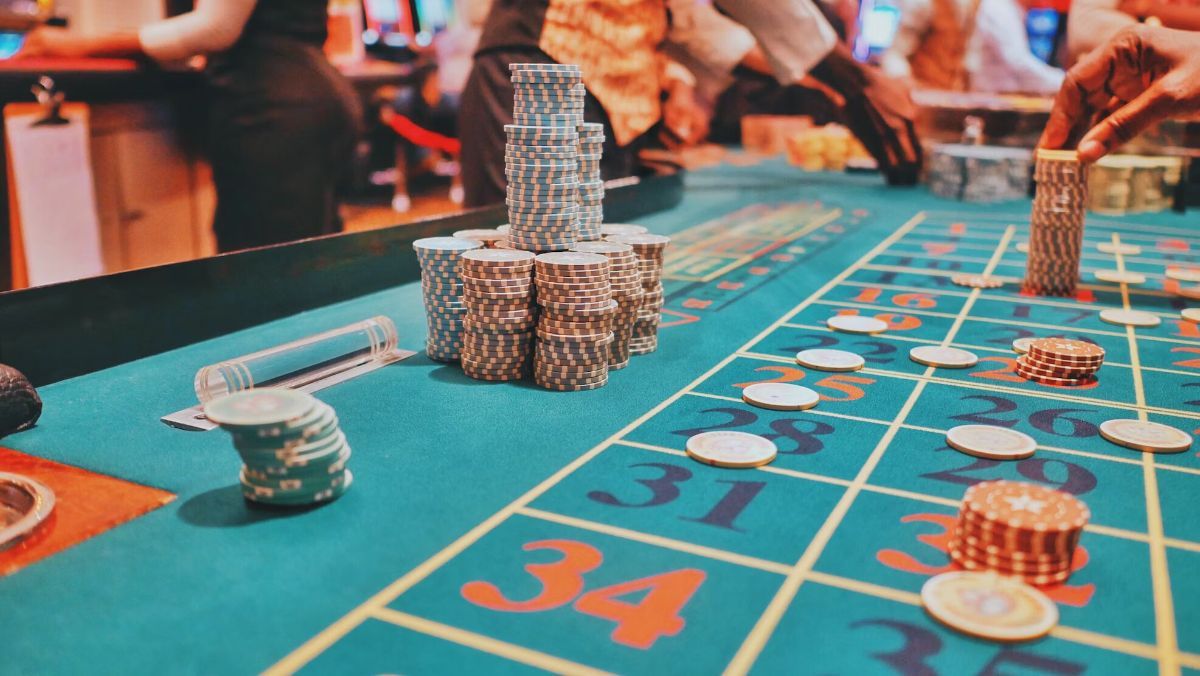
These deeply held convictions are not always rational but are powerful motivators. They can create a self-fulfilling prophecy effect, where a player’s confidence, fueled by their beliefs, might genuinely lead to better performance or, conversely, lead to reckless decision-making. The emotional state of a gambler is intimately tied to their beliefs; a positive belief can foster excitement and enjoyment, whereas a negative belief can lead to anxiety and frustration, impacting the overall gaming experience.
The Role of Superstition in Gambling
Superstition plays a significant role in many casino environments. Players often develop personal rituals or favor specific items they believe bring good luck. This can include wearing a particular piece of clothing, sitting at a certain spot at a table, or even avoiding specific actions deemed unlucky. While lacking empirical evidence, these superstitions provide a sense of agency and comfort in a game of chance, offering a perceived method of influencing outcomes beyond pure randomness.
The power of superstition lies in its ability to create a structured experience within the often chaotic nature of gambling. For many, it’s a way to cope with the inherent uncertainty of casino games. This psychological crutch can make the gambling experience feel more personal and controllable, even when the underlying mechanics are entirely random. This is a common thread observed across various gambling platforms, from physical casinos to online gaming sites.
Cognitive Biases and Their Impact
Beyond overt superstitions, cognitive biases significantly shape casino beliefs. The gambler’s fallacy, for example, is the mistaken belief that if something happens more frequently than normal during some period, it will happen less frequently in the future, or that if something happens less frequently than normal during some period, it will happen more frequently in the future. This is particularly relevant in games like roulette, where players might believe a certain number is “due” to appear after a string of other outcomes.
Another prevalent bias is the illusion of control, where players overestimate their ability to influence events that are purely random. This can manifest as carefully selecting numbers in lottery games or believing that a specific betting strategy can guarantee wins. These biases, while irrational, are powerful drivers of behavior in gambling, leading individuals to take risks they might otherwise avoid if they were to objectively assess the probabilities involved.
Cultivating a Balanced Casino Belief System
Developing a balanced belief system is key to a more responsible and enjoyable gambling experience. This involves acknowledging the role of chance while not being enslaved by superstitions or cognitive biases. It means understanding that while a lucky charm might provide comfort, it doesn’t alter the mathematical odds of a game. Focusing on the entertainment value of gambling, rather than solely on the pursuit of wins, can lead to healthier engagement.
A balanced approach involves setting clear limits, both financially and in terms of time, and sticking to them. It also means being aware of one’s own thought patterns and biases that might be influencing decisions. Recognizing when beliefs are leading to detrimental behavior, such as chasing losses or playing beyond one’s means, is a critical step in refining one’s relationship with casino games and ensuring that the “belief” in the experience remains positive and within control.

Navigating Online Casinos and Player Beliefs
The online casino landscape presents a unique environment for the interplay of player beliefs and game outcomes. While the fundamental principles of chance remain the same, the absence of physical cues and the convenience of access can sometimes amplify certain psychological tendencies. Players may find themselves relying more heavily on digital “lucky” numbers or unique betting sequences within the virtual space, transferring their real-world superstitions to the online realm.
Sites that offer a wide array of games and bonuses can influence player beliefs about their potential for success. However, it’s crucial to remember that the accessibility of online platforms does not alter the inherent randomness of the games. A belief in a “secret strategy” or an overestimation of a site’s generosity can lead to unrealistic expectations. Therefore, maintaining a grounded perspective, understanding that even the most accessible and appealing online casino operates on probabilities, is paramount for any player looking to refine their approach to online gambling.

